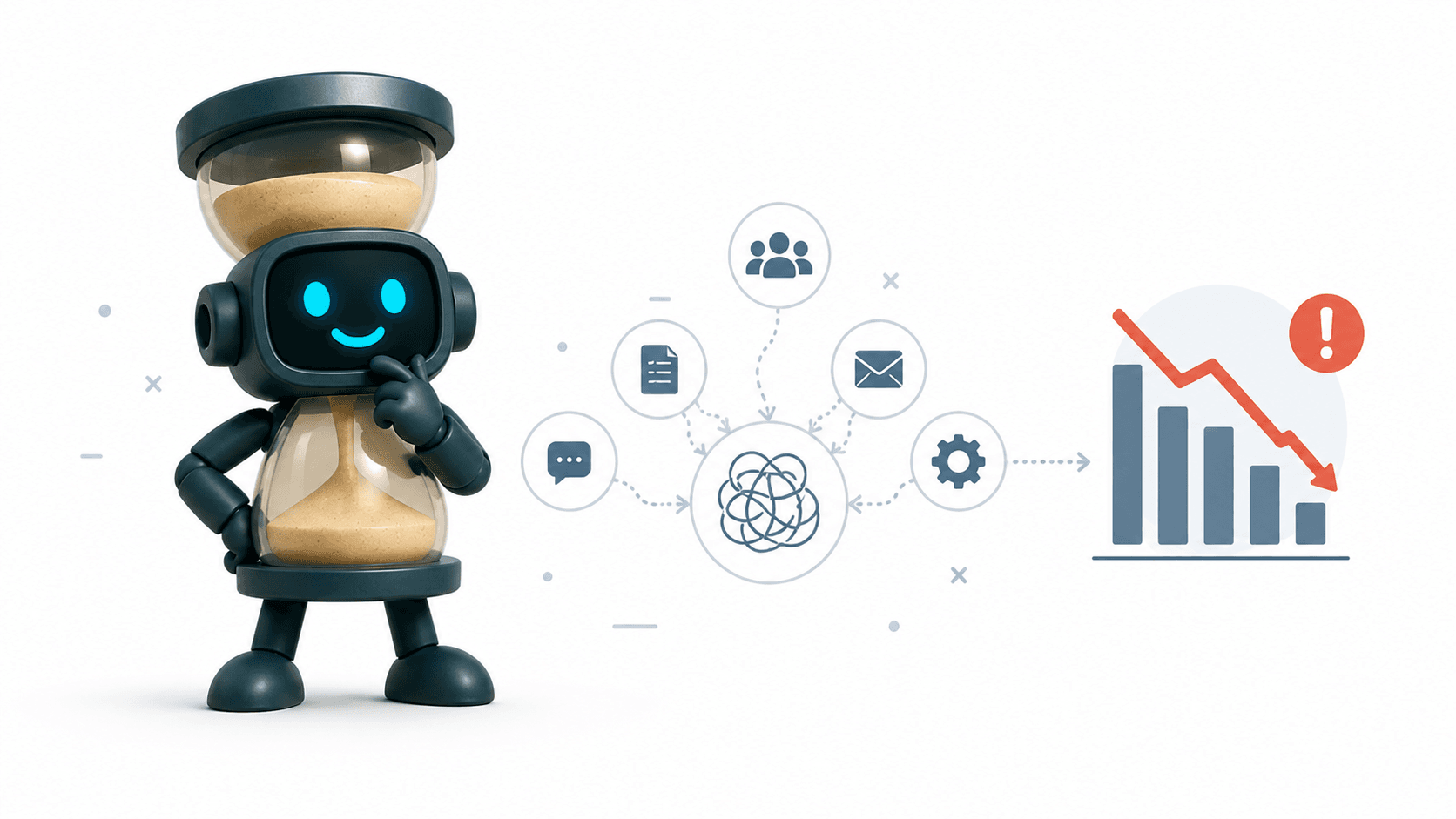
Why Most Business Advice Fails When Companies Start Scaling
Most business advice is written for companies that are still small enough to operate through conversation.
That is the problem.
A founder reads about speed, productivity, aggressive execution, and staying lean. All of that sounds useful in the beginning because early stage businesses survive through momentum. Small teams can adapt quickly. Decisions happen instantly. Everyone knows what is happening because communication is constant.
Then the company grows.
More people join. More clients arrive. More tools get added. Suddenly the same advice that once felt effective starts creating operational problems nobody expected.
The business becomes harder to manage, but nobody fully understands why.
Scaling Changes How Businesses Actually Operate at K.B Consultancy
A company with five people behaves completely differently from a company with twenty.
That sounds obvious, yet most founders still try to run growing businesses with startup stage habits. Processes remain informal. Responsibilities stay vague. Communication depends on memory and constant availability instead of structure.
At first, this feels flexible.
Over time, it becomes exhausting.
At K.B Consultancy, we often see growing businesses where leadership still acts as the operational glue holding everything together. Teams rely on founder context for decisions. Information exists across Slack, emails, meetings, and spreadsheets without a clear system connecting everything properly.
The company keeps moving, but every month feels heavier operationally.
That weight usually gets mistaken for growth pressure when it is actually structural friction.
Business Advice Rarely Talks About Operational Load
A lot of popular advice focuses on mindset and execution speed.
Very little focuses on what happens internally once coordination becomes difficult.
Scaling introduces operational load. More communication. More dependencies. More chances for information to get lost between teams. Suddenly things that used to happen naturally now require systems, ownership, and consistency.
This is where many businesses begin slowing down without realizing it immediately.
Harvard Business Review found that companies often struggle with execution because teams lose alignment as organizations expand. That becomes visible in small ways first. Meetings increase. Decision making slows down. Reporting becomes inconsistent. Teams start duplicating work because nobody has full visibility anymore.
Founders usually respond by working harder.
That rarely fixes the real issue.
AI and Automation Expose Weak Business Structure Quickly
This is becoming even more visible because businesses are aggressively adopting AI and automation tools right now.
The assumption is usually simple. Better tools should create faster execution.
But automation depends heavily on operational clarity.
If workflows are fragmented or responsibilities are unclear, automation often speeds up confusion instead of reducing it. We have seen companies automate processes nobody fully understood in the first place. The technology works technically, but operationally nothing improves.
Sometimes things become worse.
The businesses seeing meaningful results from AI are usually the ones simplifying operations first. They standardize workflows. They define ownership clearly. They reduce unnecessary communication layers before introducing automation.
That sequence matters far more than most companies expect.
Technology scales structure. Good or bad.
The Companies Scaling Best Usually Operate More Clearly, Not More Aggressively
There is a noticeable difference between businesses that scale cleanly and businesses constantly stuck in operational firefighting.
The strongest companies are rarely the busiest internally.
They are usually the clearest.
People know where information lives. Teams understand priorities. Decisions move without requiring endless approvals. Leadership focuses on direction instead of resolving preventable operational confusion every day.
That clarity creates speed most companies struggle to replicate.
Many founders avoid structure because they fear becoming slow or corporate. Ironically, poorly structured businesses usually move slower because every process depends on manual coordination and constant clarification.
Eventually growth itself becomes difficult to sustain.
The companies growing strongest right now understand something many businesses learn too late.
Scaling is not about adding more activity.
It is about reducing friction before complexity starts controlling the company.
13 April 2026