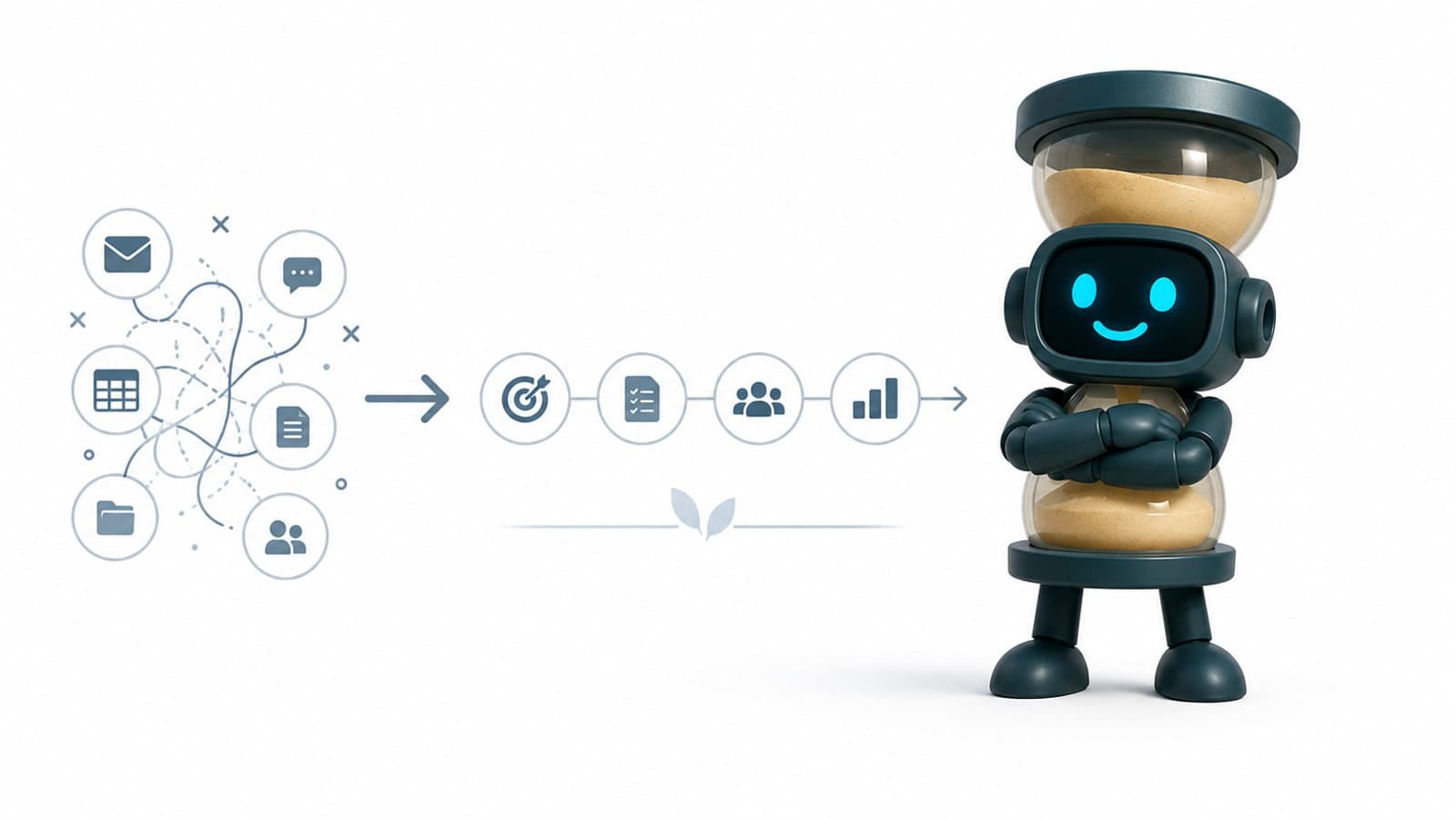
The Companies Growing Fastest Right Now Are Quietly Obsessed With Simplicity
A lot of businesses are adding more while the smartest ones are removing more.
More tools. More meetings. More dashboards. More processes. More layers between decisions and execution. Somewhere along the way, complexity started getting mistaken for growth.
The companies scaling cleanly right now are moving in the opposite direction.
They are simplifying operations aggressively. They are reducing internal friction. They are cutting unnecessary approvals, consolidating systems, and creating workflows people can actually follow without needing constant explanation.
It does not look exciting from the outside. That is probably why many businesses underestimate how important it is.
Fast Growing Companies Reduce Friction Before Scaling Further at K.B Consultancy
One thing becomes obvious when you spend time inside growing businesses. Most operational problems are self created.
Teams build workarounds on top of workarounds. New software gets added because the previous software was never implemented properly. Communication spreads across email, Slack, WhatsApp, meetings, and random spreadsheets until nobody fully knows where the truth actually lives anymore.
Then growth slows down and leadership wonders why execution suddenly feels heavy.
At K.B Consultancy, we often see companies reaching a point where the business technically works, but operationally feels exhausting. Everything takes slightly longer than it should. Teams duplicate tasks without realizing it. Reporting becomes inconsistent because every department tracks things differently.
None of these issues feel catastrophic individually.
Together, they create operational drag that compounds every month.
The businesses growing fastest right now understand this earlier than others do. They simplify before the complexity becomes expensive.
Operational Simplicity Creates Speed Most Companies Cannot Replicate
There is a reason operationally clear businesses tend to outperform larger competitors.
Simple systems create faster execution.
People know where information lives. Decisions move faster because ownership is clear. Teams spend less time coordinating and more time actually delivering work. That operational clarity creates momentum that is difficult to fake.
McKinsey found that reducing operational complexity can lower costs by up to 7%. The bigger impact is usually not the cost reduction itself. It is the speed that simplicity creates internally.
That speed matters more now because companies are operating in environments where priorities shift constantly. Businesses carrying unnecessary complexity struggle to adapt because every change creates operational confusion.
Simple businesses adjust faster.
Not because they work harder, but because fewer things are working against them internally.
AI and Automation Are Exposing Weak Business Structures
A lot of companies expected AI tools to solve operational inefficiency automatically.
Instead, many businesses are discovering how fragmented their workflows actually are.
Automation only works properly when processes already make sense. If approvals are unclear, data is inconsistent, or teams operate differently from each other, automation usually exposes the mess faster rather than solving it.
That is why companies focused purely on adding tools are often disappointed with the results.
The businesses getting real value from automation usually did something else first. They simplified operations before automating them. They standardized workflows. They clarified ownership. They reduced unnecessary steps.
Then automation became useful.
This shift is becoming more visible now. Companies are moving away from experimenting with endless tools and toward building cleaner operational systems that teams can realistically maintain long term.
That change matters because operational simplicity scales far better than operational chaos with better software attached to it.
The Most Effective Businesses Feel Surprisingly Calm Internally
One thing people rarely talk about is how calm well structured companies feel behind the scenes.
Not perfect. Not slow. Calm.
People know what they are responsible for. Information flows properly. Meetings are shorter because processes already create alignment. Leadership spends less time fixing avoidable confusion.
That operational stability creates room for growth.
Founders often assume scaling requires becoming more complex. In reality, the businesses that scale sustainably are usually obsessed with protecting simplicity as they grow.
Because once complexity becomes normal internally, it spreads into everything else.
Customer experience slows down. Teams lose clarity. Execution weakens. Decision making becomes political instead of practical.
By the time companies notice it publicly, the operational issues have usually existed for years already.
11 April 2026