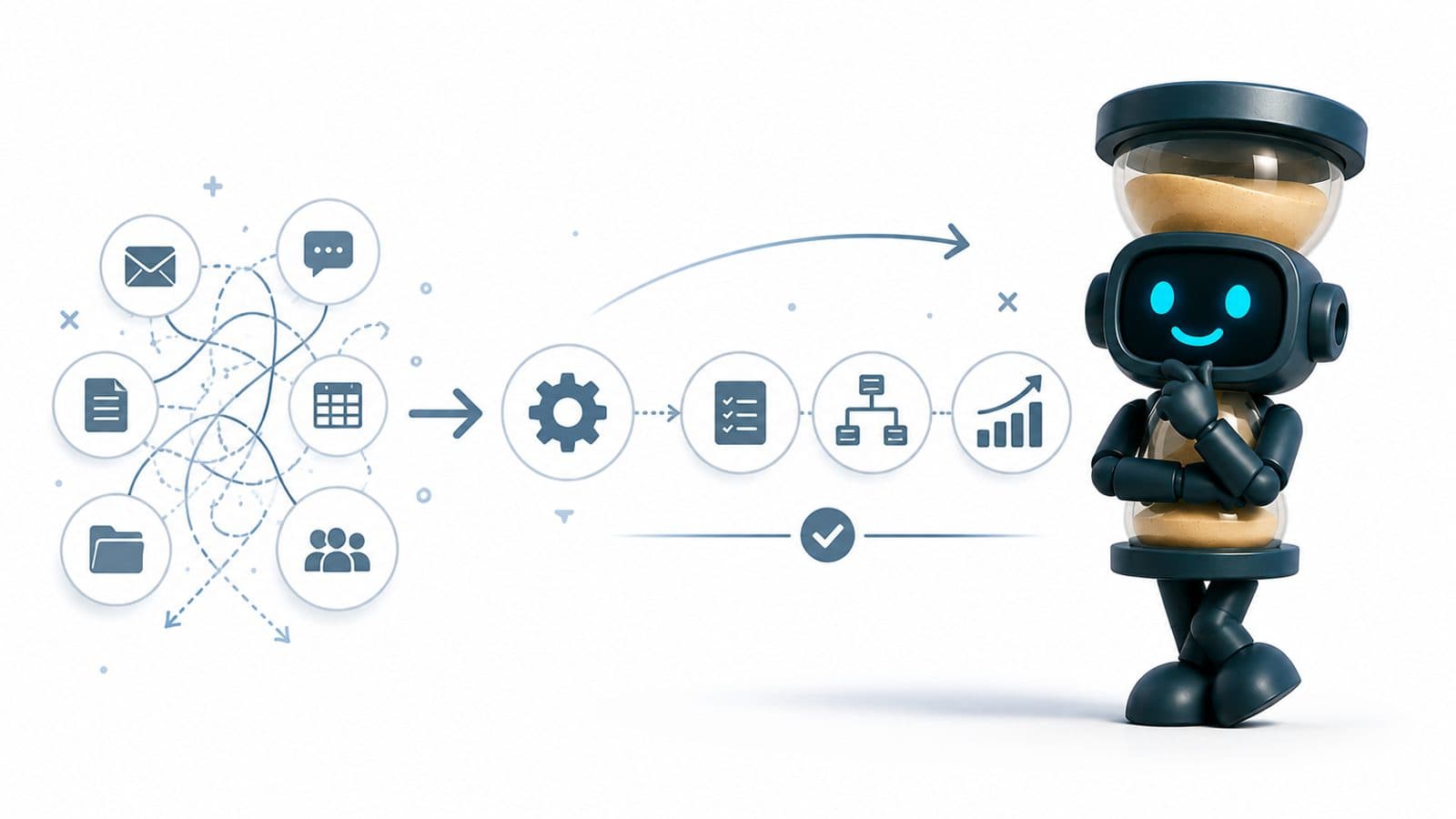
Businesses Don’t Collapse From One Big Mistake, They Drift Into Complexity
Most businesses do not break overnight.
There is usually no dramatic moment where everything suddenly stops working. What happens instead is slower, which makes it harder to notice.
Processes become heavier. Communication becomes messier. Teams start creating workarounds because the original systems no longer make sense. Small inefficiencies pile on top of each other until daily operations feel unnecessarily difficult.
The business still functions, which is exactly why complexity becomes dangerous.
It hides inside normal work.
Complexity Quietly Slows Businesses Down at K.B Consultancy
In the beginning, complexity often looks like growth.
More tools. More people. More meetings. More approvals. More reporting. At first, these additions feel necessary because the company is expanding. Nobody questions them too much because revenue is still moving upward.
Then execution starts slowing down.
Simple decisions suddenly require multiple conversations. Teams lose visibility across departments. Leadership spends more time coordinating internally than improving the business itself.
At K.B Consultancy, we regularly see founder led businesses operating with far more complexity than they actually need. Not because the founders made bad decisions, but because operational layers were added over time without enough structure underneath them.
The result is usually the same.
The company becomes harder to manage every quarter.
Not because the business itself is failing, but because friction is spreading quietly through daily operations.
Most Operational Problems Start Small and Compound Over Time
One unclear process does not feel catastrophic.
Neither does one extra approval step.
Neither does another software subscription added to solve a temporary issue.
But operational complexity compounds faster than most businesses expect. Eventually companies reach a point where nobody fully understands how work flows from start to finish anymore. Teams compensate manually for broken processes without realizing how much energy is being wasted.
Research around operational complexity shows that companies often underestimate complexity related costs by up to 60%.
That makes sense because complexity rarely appears clearly on financial reports.
It appears operationally first.
People wait longer for information. Meetings increase because communication becomes fragmented. Leadership loses visibility because every department works differently. Teams start building unofficial processes outside the systems leadership believes are being followed.
That disconnect becomes expensive long before companies recognize it.
AI and Automation Are Making Complexity More Visible
This is becoming even more obvious now because businesses are aggressively implementing AI and automation tools.
A lot of companies expect technology to reduce operational pressure automatically.
Instead, many are discovering how fragmented their workflows actually are.
Automation exposes inconsistency very quickly. If approvals, responsibilities, or communication flows are unclear, automation usually scales the confusion instead of fixing it.
We have seen businesses automate workflows nobody fully trusted internally. Technically the automation worked. Operationally, teams still relied on manual workarounds because the underlying structure remained unclear.
That is why simplifying operations matters before adding more technology.
The companies seeing real efficiency gains right now are usually obsessed with removing friction first. They simplify communication. They reduce unnecessary steps. They standardize processes teams can realistically follow without constant clarification.
Then automation starts creating leverage.
That order matters much more than most businesses think.
The Strongest Businesses Usually Feel Simpler Internally
One thing people rarely expect is how operationally calm strong businesses feel behind the scenes.
Not perfect. Just clear.
People understand ownership. Information flows properly. Teams trust the systems they use. Leadership spends less time solving avoidable confusion because the business itself creates alignment operationally.
That simplicity becomes a competitive advantage once companies grow.
Founders often delay simplifying operations because complexity slowly becomes normalized. Teams adapt to inefficient processes over time. Workarounds become routine. Eventually nobody remembers what efficient operations were supposed to feel like in the first place.
Until growth starts slowing down.
The companies scaling sustainably right now understand something many businesses realize too late.
Businesses rarely collapse from one catastrophic mistake.
Most of them slowly drift into operational complexity until execution becomes heavier than growth itself.
15 April 2026